Unlocking the Mind: A Perfume Psychology Guide

The world of perfumes is often perceived as an art form, a blend of science and aesthetics that captures the essence of emotions, memories, and identities. While many appreciate perfumes for their olfactory beauty, few understand the profound psychological impact they hold. This article delves into the intricate relationship between scent and the mind, unraveling the mysteries of perfume psychology and its powerful influence on our emotions, behavior, and well-being.
The Science of Scent
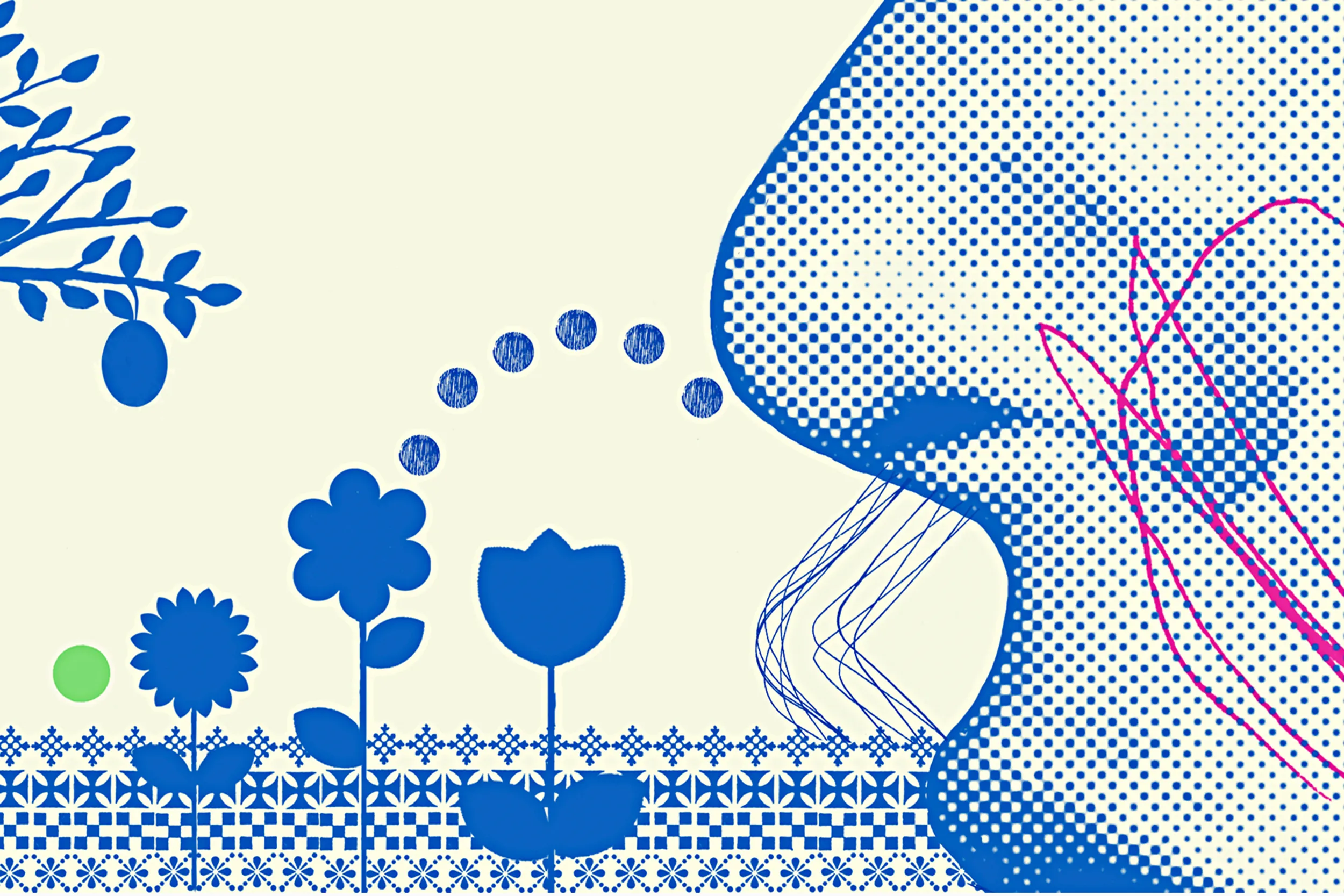
To understand the psychology of perfume, one must first comprehend the science behind scent perception. Our sense of smell, or olfaction, is a complex process involving the detection of odor molecules by receptors in the nose. These receptors send signals to the olfactory bulb, which is directly connected to the limbic system—the part of the brain responsible for emotions, memories, and behavior. This direct link explains why scents often evoke powerful emotional responses and vivid memories, creating a unique interplay between fragrance and psychology.
The Emotional Power of Perfume
Perfumes have the ability to evoke a wide range of emotions, from joy and excitement to nostalgia and relaxation. This emotional power stems from the limbic system’s influence on mood regulation. Certain scents can trigger the release of neurotransmitters like serotonin and dopamine, which are associated with happiness and pleasure. For instance, floral fragrances, such as lavender and rose, are known for their calming and soothing effects, while citrus scents like lemon and orange are invigorating and uplifting.
Scent and Memory
The connection between scent and memory is a fascinating aspect of perfume psychology. Known as the “Proustian phenomenon,” named after the French writer Marcel Proust, this phenomenon describes how specific scents can trigger vivid and detailed memories from the past. Unlike other senses, the olfactory system has a direct pathway to the hippocampus, the brain’s memory center. This unique connection allows fragrances to act as potent memory cues, capable of transporting individuals to specific moments in time, whether it’s a childhood home, a loved one, or a memorable vacation.
Scent and Identity
Perfumes also play a crucial role in shaping personal identity and self-expression. The fragrances we choose to wear often reflect our personality, mood, and even cultural background. For many, a signature scent becomes an extension of their identity, leaving a lasting impression on others. This phenomenon is rooted in the psychological concept of olfactory self-awareness, where individuals use scents to communicate aspects of themselves to the world. Moreover, the cultural significance of certain fragrances adds an additional layer of identity expression, with different cultures associating specific scents with rituals, traditions, and values.
The Therapeutic Potential of Perfume
Beyond personal expression, perfumes hold therapeutic potential, contributing to mental and emotional well-being. Aromatherapy, a practice that utilizes essential oils and fragrances for healing purposes, is deeply rooted in the psychology of scent. Research has shown that certain aromas can reduce stress, anxiety, and depression, promoting relaxation and mental clarity. For instance, the scent of chamomile is often used for its calming properties, while peppermint is known to enhance focus and concentration.
Scent Marketing and Consumer Behavior
Understanding the psychological impact of scents extends beyond personal use and into the realm of consumer behavior. Businesses have harnessed the power of scent marketing to influence purchasing decisions and create memorable brand experiences. By strategically using fragrances in retail environments, companies can evoke positive emotions, increase dwell time, and enhance customer satisfaction. The right scent can create a unique brand identity, leaving a lasting impression on consumers and fostering brand loyalty.
Choosing the Right Perfume
Selecting the perfect perfume involves more than just smelling a few samples. It requires an understanding of individual preferences, personality traits, and emotional responses. Here are some tips for choosing the right perfume:
1. Consider Your Personality
Choose scents that align with your personality traits. If you’re adventurous and energetic, opt for fresh and vibrant fragrances. If you value elegance and sophistication, explore classic and floral scents.
2. Reflect on Your Mood
Your current mood can influence your fragrance choice. Choose uplifting citrus scents for a boost of energy or calming lavender for relaxation.
3. Test Before You Buy
Always test a perfume on your skin before purchasing. Fragrances interact with individual body chemistry, resulting in unique scent profiles.
4. Take Your Time
Allow the fragrance to develop over time. Perfumes have top, middle, and base notes that evolve, providing a full olfactory experience.
Conclusion
The psychology of perfume is a captivating exploration of how scents influence our emotions, memories, and identities. From evoking powerful emotions to shaping personal identity and promoting well-being, perfumes offer a unique window into the human psyche. By understanding the profound impact of fragrances, individuals can harness the power of scent to enhance their lives, express themselves, and create meaningful connections. As we continue to unlock the secrets of perfume psychology, the world of scent remains a rich and intriguing field, offering endless possibilities for exploration and discovery.








Post Comment