Maximize Longevity: Essential Perfume Storage Tips
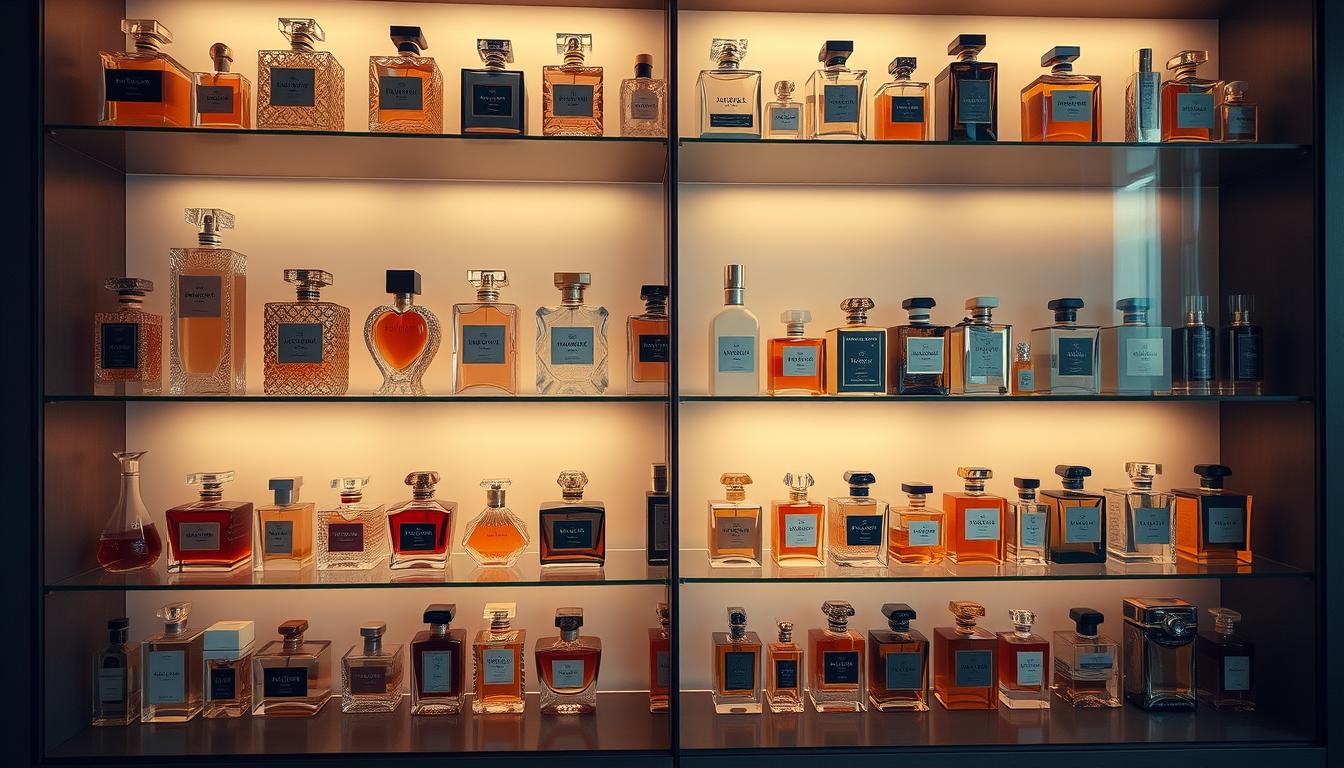
Perfume is more than just a fragrance; it is an expression of personality, a memory encapsulated in a bottle, and often a significant investment. To ensure that your cherished scents maintain their allure and potency, proper storage is essential. This article delves into the science of perfume longevity and offers practical tips for storing your perfumes effectively.
The Science Behind Perfume Longevity
Perfumes are composed of volatile aromatic compounds that can degrade over time. Several factors can accelerate this degradation, including exposure to light, heat, and air. Understanding the delicate nature of these compounds is the first step in preserving the integrity of your fragrances.
Factors Affecting Perfume Longevity
Light Exposure
Direct sunlight can be detrimental to perfumes. Ultraviolet (UV) rays break down the molecular structure of fragrance compounds, leading to changes in scent and color. This is why many perfume bottles are made of dark or opaque glass, designed to minimize light penetration.
Temperature Fluctuations
Perfumes should be stored at a consistent temperature. Extreme temperatures, whether too hot or too cold, can alter the chemical composition of a fragrance. Avoid storing perfumes near radiators, windows, or in bathrooms where temperature and humidity levels fluctuate.
Air Exposure
Air exposure can lead to oxidation, which alters the fragrance. Always ensure that bottles are tightly sealed after use. Some people may be tempted to decant perfumes into smaller bottles, but this can increase exposure to air and should be done cautiously.
Ideal Storage Conditions for Perfumes
Cool and Dark Places
The ideal environment for storing perfumes is a cool, dark place. A closed drawer or a closet shelf away from direct sunlight is perfect. If you want to display your perfumes, consider keeping them in their original boxes to protect them from light.
Consistent Temperature
Aim to store your perfumes at a stable temperature, ideally between 15-20°C (59-68°F). Avoid storing them in places that experience temperature fluctuations, such as near windows or in bathrooms.
Minimal Air Exposure
Always ensure that the cap is securely fastened after each use to prevent air from seeping in. If you do decant your perfumes, use small, airtight containers to minimize air exposure.
Special Considerations for Different Types of Perfumes
Natural and Organic Perfumes
These perfumes often lack synthetic preservatives, making them more susceptible to degradation. Pay extra attention to storage conditions, and consider using them more quickly than conventional perfumes.
Vintage Perfumes
Vintage perfumes can be particularly sensitive to light and air. Their age means they may already be more fragile, so store them with care, possibly in a dedicated storage box.
Practical Tips for Perfume Storage
Use Original Packaging
The original packaging is designed to protect the perfume and should be used whenever possible. It acts as an additional barrier against environmental factors.
Avoid Bathrooms
Bathrooms are generally humid and experience frequent temperature changes, which can be detrimental to perfumes. Find a more stable environment for your collection.
Consider a Perfume Refrigerator
For serious collectors, a small perfume refrigerator that maintains a consistent cool temperature can be a worthwhile investment. However, ensure that it is specifically designed for perfumes to avoid any issues with humidity.
Common Mistakes in Perfume Storage
Displaying on Windowsills
While it might be tempting to display your beautiful bottles on a windowsill, the exposure to light and temperature changes can quickly degrade the fragrances.
Frequent Opening
Repeatedly opening the bottle allows air to enter, which can lead to oxidation. Use your perfumes judiciously, and avoid unnecessary opening.
Improper Decanting
If you choose to decant your perfumes for travel or sampling, ensure that the decanting bottles are clean and airtight. Avoid using materials that might react with the perfume.
The Importance of Rotation
If you have a large collection, consider rotating your perfumes. Regularly using different scents ensures that no single bottle is left unused for too long, which can minimize the risks of long-term degradation.
Conclusion
Preserving the longevity of your perfumes requires mindful storage practices that protect them from light, temperature fluctuations, and air exposure. By following these tips, you can ensure that your fragrances remain as captivating as the day you first encountered them, allowing you to savor every nuanced note for years to come. Whether you’re a casual enthusiast or a dedicated collector, these essential storage tips will help you maximize the life of your beloved scents.





Post Comment