The Emotional Power of Perfume: Unlocking Scent Psychology
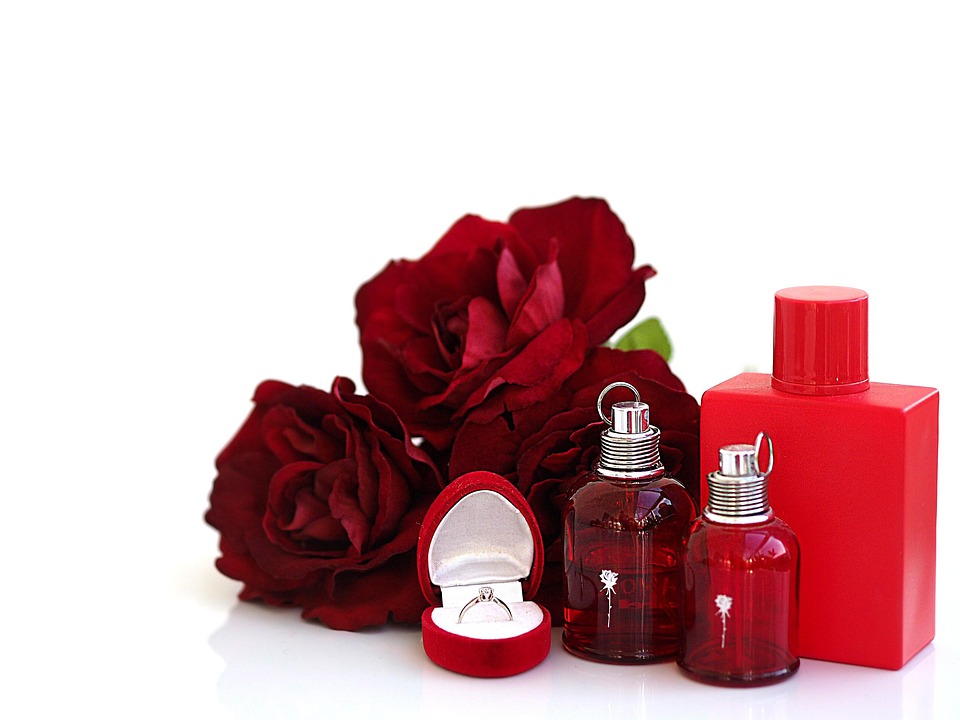
In a world that constantly bombards our senses, the subtle yet profound power of scent often goes unnoticed. Perfume, in particular, holds an extraordinary ability to evoke emotions, trigger memories, and influence human behavior. The exploration of scent psychology reveals a fascinating intersection between fragrance and emotional experience, uncovering the ways in which perfumes can shape our mood, perception, and even identity.
### The Science of Scent Perception
To understand the emotional power of perfume, we must first delve into the science of scent perception. The human olfactory system is intricately linked to the brain’s limbic system, which is responsible for emotion, behavior, and long-term memory. When we inhale a scent, odor molecules bind to receptors in the nose, sending signals directly to the brain. This direct connection explains why scents can trigger such immediate and powerful emotional responses.
Unlike other senses, smell bypasses the thalamus—the brain’s relay station for sensory information—and connects directly to the amygdala and hippocampus, two regions heavily involved in emotional processing and memory. This unique neural pathway underlines the profound impact that scents can have on our emotions and psychological states.
### The Emotional Spectrum of Perfume
Perfumes are crafted using a blend of essential oils and aromatic compounds, each selected for their unique olfactory characteristics and emotional effects. These fragrances can evoke a wide spectrum of emotions, from joy and comfort to nostalgia and sensuality.
#### Joy and Upliftment
Citrus scents, such as lemon, orange, and bergamot, are renowned for their ability to uplift mood and increase energy. These bright, zesty notes are often associated with freshness and vitality, making them popular choices for morning wear or during moments of fatigue. Studies have shown that exposure to citrus fragrances can enhance alertness and reduce stress, promoting a sense of happiness and well-being.
#### Comfort and Relaxation
Floral scents, particularly lavender and chamomile, are celebrated for their calming and soothing properties. These fragrances are commonly used in aromatherapy to reduce anxiety and promote relaxation. The gentle, floral notes can create a sense of comfort and tranquility, making them ideal for unwinding after a long day or preparing for a restful night’s sleep.
#### Nostalgia and Memory
The connection between scent and memory is one of the most compelling aspects of scent psychology. A whiff of a familiar perfume can transport us back in time, evoking vivid memories and emotions associated with past experiences. This phenomenon, known as the “Proustian effect,” highlights the ability of scent to act as a powerful trigger for autobiographical memories. Perfumes that incorporate vanilla, amber, and other warm, sweet notes often evoke feelings of nostalgia and reminiscence.
#### Sensuality and Attraction
Certain fragrances are known for their sensual and alluring qualities, capable of enhancing attraction and desire. Musk, sandalwood, and patchouli, with their deep, earthy notes, are often associated with sensuality and intimacy. These scents can create an aura of mystery and allure, making them popular choices for romantic occasions or when seeking to boost confidence and charisma.
### The Role of Personal Preference
While certain scents have universal emotional effects, individual preferences and cultural influences also play a significant role in scent perception. Personal experiences, cultural background, and even genetic factors can shape our olfactory preferences, leading to unique associations and emotional responses to different fragrances.
For instance, a scent that evokes joy and comfort for one person may trigger unpleasant memories for another. This subjectivity highlights the importance of personal preference in the selection of perfumes. Understanding one’s own scent preferences can be a deeply personal journey, offering insights into one’s emotional landscape and identity.
### The Influence of Scent on Behavior
Beyond evoking emotions, perfumes can also influence human behavior and social interactions. The concept of “olfactory branding” has gained traction in recent years, with businesses strategically using scent to enhance customer experiences and influence consumer behavior. Retail environments, hotels, and even workplaces utilize specific fragrances to create desired atmospheres and reinforce brand identity.
In social settings, wearing a particular perfume can impact how others perceive us. Scent can serve as a powerful non-verbal communication tool, conveying messages about personality, mood, and even social status. A well-chosen fragrance can leave a lasting impression, contributing to how we are remembered by others.
### Perfume and Identity
Perfume is not merely a tool for enhancing appearance; it is a means of self-expression and identity. The fragrances we choose to wear can reflect our personality, values, and aspirations. Just as fashion and style choices convey aspects of our identity, so too does our choice of scent.
The process of selecting a signature scent is deeply personal, often involving experimentation and exploration. A signature perfume becomes an extension of oneself, a scent that resonates with one’s sense of self and evokes desired emotions. For some, the search for the perfect fragrance can be a lifelong journey, reflecting changes in personality and life circumstances.
### The Future of Scent Psychology
As research into scent psychology advances, new possibilities for harnessing the emotional power of perfume continue to emerge. Innovations in fragrance technology, such as the development of personalized perfumes and smart scent devices, offer exciting opportunities to tailor scents to individual preferences and needs.
Moreover, the growing awareness of the impact of scent on well-being is driving interest in therapeutic applications of fragrance. Aromatherapy, once considered alternative medicine, is gaining recognition for its potential to support mental health and emotional resilience.
### Conclusion
The emotional power of perfume lies in its ability to evoke emotions, trigger memories, and influence behavior. Through the intricate workings of the olfactory system, scents can transport us to different times and places, evoke a spectrum of emotions, and serve as a powerful tool for self-expression and identity. As we continue to explore the depths of scent psychology, we unlock new possibilities for harnessing the transformative potential of fragrance, enriching our lives in ways both subtle and profound. Whether seeking joy, comfort, nostalgia, or sensuality, perfume offers a gateway to the rich tapestry of human emotion, inviting us to explore the world of scent with curiosity and wonder.






Post Comment