The Ultimate Guide to Perfume Shelf Life
Perfume is an exquisite art form that captures the imagination and evokes emotions through the power of scent. However, much like any other luxury item, perfumes have a shelf life. Understanding the nuances of perfume shelf life is essential for ensuring that your favorite fragrances remain as captivating as the day you first encountered them. This guide will delve into the factors that influence the longevity of perfumes, how to store them properly, and when it might be time to bid farewell to a beloved bottle.
Understanding Perfume Composition
Before exploring shelf life, it’s crucial to understand what perfumes are made of. Perfumes are complex mixtures comprising top, middle, and base notes. These notes are crafted from natural and synthetic ingredients, including essential oils, alcohol, and water. Each component interacts uniquely over time, affecting the overall scent and longevity of the perfume.
Factors Affecting Perfume Shelf Life
1. Ingredients
The ingredients used in a perfume play a significant role in determining its shelf life. Natural ingredients, such as essential oils, are more prone to oxidation and degradation over time compared to synthetic compounds. Perfumes with a higher concentration of natural ingredients may have a shorter shelf life, whereas those with synthetics might last longer.
2. Alcohol Content
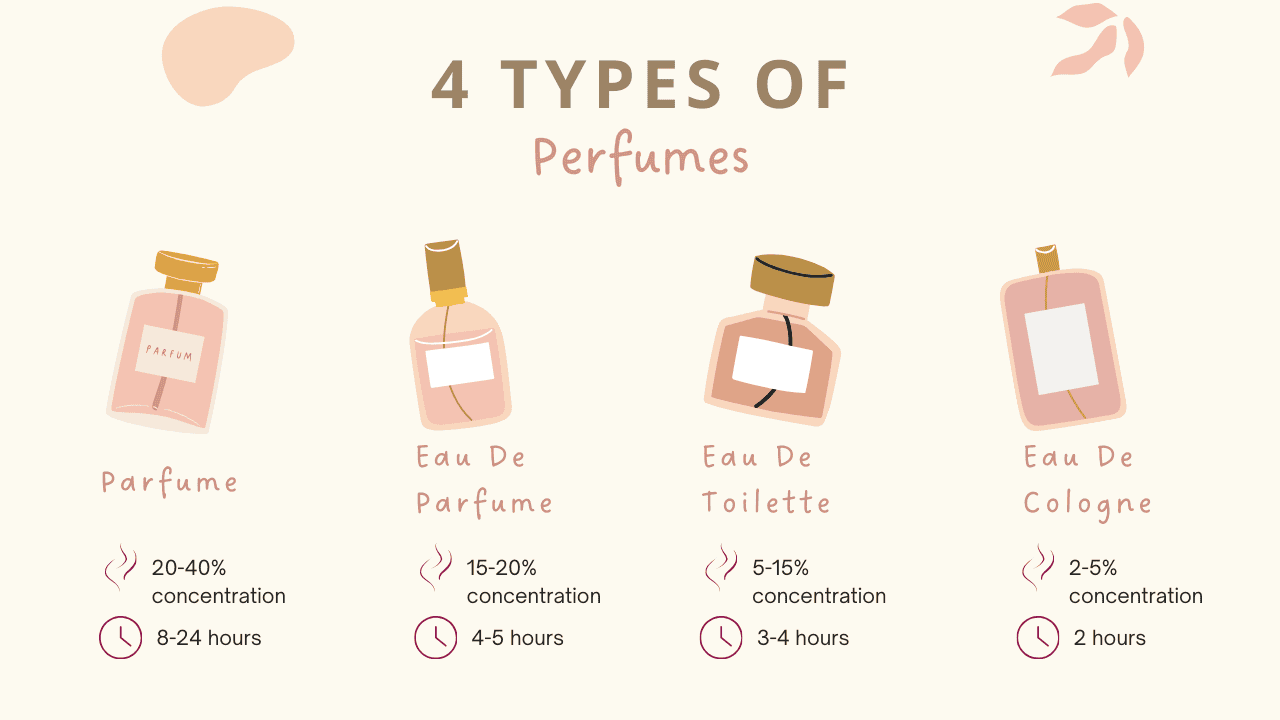
Alcohol acts as a preservative in perfumes, helping to stabilize the fragrance and extend its shelf life. Perfumes with a higher alcohol content, such as Eau de Toilette or Eau de Parfum, tend to have a longer shelf life compared to those with a lower alcohol content, like Eau de Cologne.
3. Storage Conditions
Storage conditions are a critical factor in preserving the quality and longevity of perfumes. Exposure to light, heat, and air can cause chemical reactions that degrade the fragrance. Proper storage can significantly extend a perfume’s shelf life.
4. Packaging
The packaging of a perfume bottle can also influence its shelf life. Dark or opaque bottles are better at protecting the fragrance from light exposure, while tightly sealed caps or atomizers can prevent air from entering and oxidizing the perfume.
How to Store Perfume Properly
1. Keep Away from Light and Heat
Light and heat are two of the biggest enemies of perfume. Store your perfumes in a cool, dark place, away from direct sunlight and temperature fluctuations. A drawer or a cabinet is an ideal spot.
2. Store Upright
Perfume bottles should be stored upright to maintain the integrity of the fragrance and prevent leakage. Laying a bottle on its side can cause the liquid to come into contact with the cap or atomizer, increasing the risk of evaporation.
3. Avoid Humidity
Humidity can accelerate the degradation of perfume. It’s best to avoid storing perfumes in the bathroom, where humidity levels can fluctuate significantly. Instead, choose a dry, stable environment.
4. Use Original Packaging
The original packaging is designed to protect the perfume. Keeping the bottle in its box can shield it from light and temperature changes, helping to preserve the fragrance.
Recognizing When a Perfume Has Expired
1. Changes in Scent
An expired perfume may develop an off-putting or sour smell. The top notes, which are the most volatile, are usually the first to change, leaving the fragrance unrecognizable. If your perfume doesn’t smell as delightful as it once did, it might be time to let it go.
2. Discoloration
Perfumes that have expired may change color. A darker hue than the original could indicate that oxidation has occurred. While not every color change signifies expiration, it is a signal to test the fragrance for other signs of degradation.
3. Texture Alteration
If the texture of the perfume feels different, such as becoming cloudy or developing sediment, it may have expired. A change in texture suggests that the composition has been altered, affecting the scent.
4. Evaporation
Significant evaporation can occur in older perfumes, especially if they were not stored properly. If you notice that a considerable amount of liquid has disappeared without use, the fragrance may have been compromised.
Extending the Life of Your Perfume
1. Rotate Usage
Instead of sticking to one signature scent, rotate between different perfumes. This practice reduces the frequency of exposure to air and light for any single bottle, helping to extend its shelf life.
2. Decanting
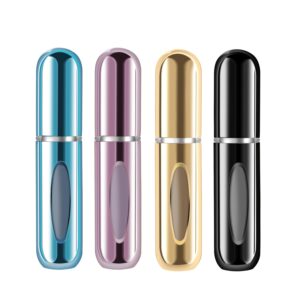
For perfumes with large bottle openings, consider decanting a smaller amount into a spray bottle for regular use. This limits the exposure of the entire bottle to air and prevents evaporation.
3. Mindful Purchasing
Buy perfumes in quantities that you can reasonably use within a few years. This approach minimizes the risk of having excess perfume that could expire before use.
Conclusion
Perfumes are more than just fragrances; they are personal expressions and cherished memories encapsulated in a bottle. Understanding the factors that influence perfume shelf life and adopting proper storage practices can help maintain the integrity and longevity of your favorite scents. By recognizing the signs of expiration and taking steps to extend their shelf life, you can ensure that your perfumes remain as enchanting as ever, allowing you to savor every aromatic moment.








Post Comment