Unlocking Mood Magic: Perfume’s Psychological Power
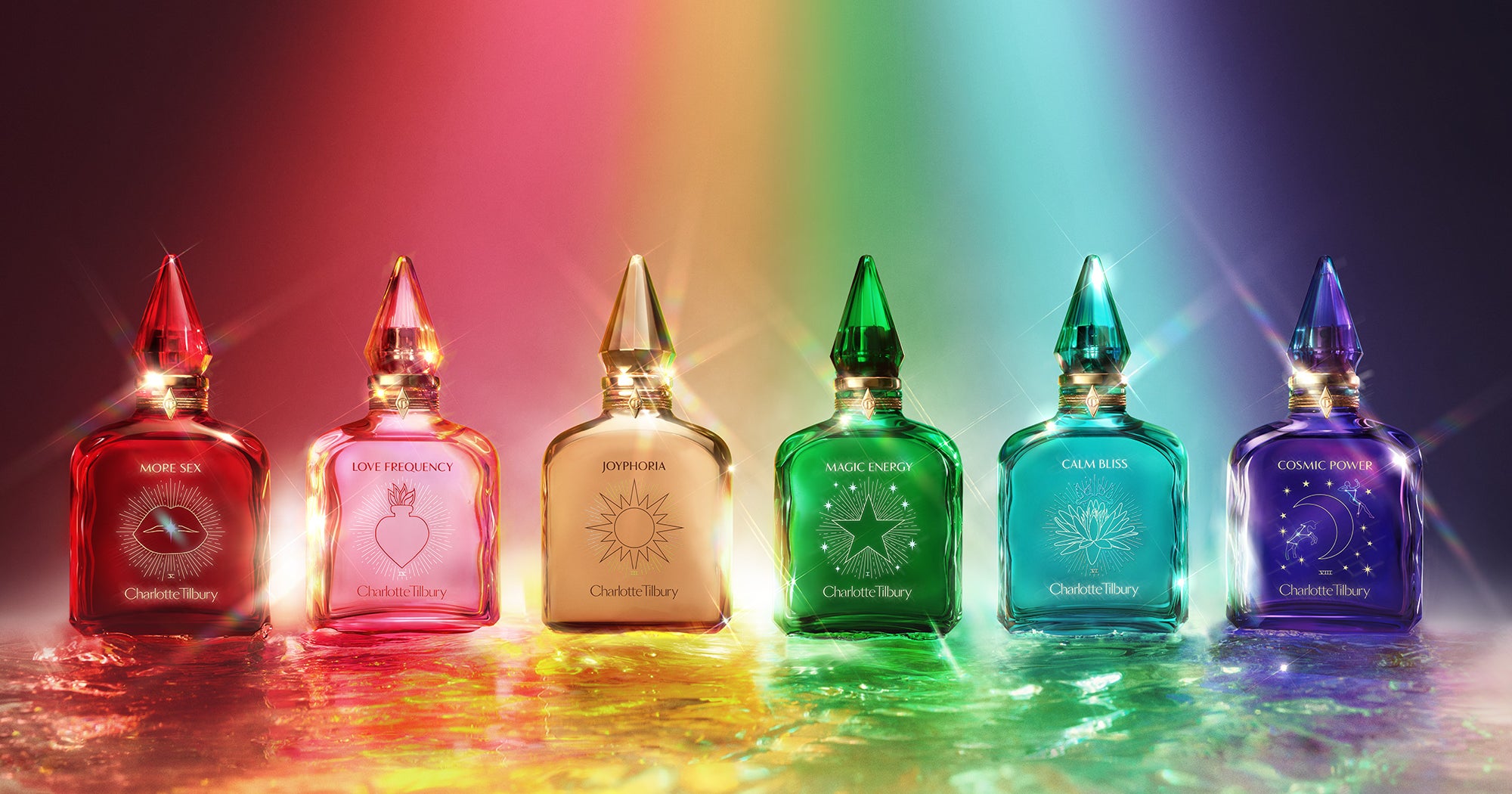
Perfume has long been a staple in human culture, a subtle yet powerful accessory that goes beyond mere fragrance. It carries the ability to evoke emotions, trigger memories, and even alter perceptions. The psychological power of perfume is a fascinating realm where the science of scent meets the art of emotion. In this article, we delve into the intricate relationship between scent and mood, exploring how perfumes can be used as a tool to unlock mood magic.
The Science of Scent
Our sense of smell is one of the most primitive and powerful senses, deeply linked to our emotions and memories. Unlike other senses, olfactory signals bypass the thalamus and go directly to the brain’s limbic system, which is responsible for emotion and memory. This direct pathway explains why a particular fragrance can instantly transport us back to a specific moment in time or evoke a strong emotional response.
Perfumes are composed of various aromatic compounds that interact with our olfactory receptors. These interactions can influence our mood by triggering specific emotional responses. For instance, citrus scents are often associated with energy and freshness, while floral scents can evoke feelings of calmness and relaxation. Understanding these associations can help individuals harness the psychological power of perfume to enhance their emotional well-being.
The Emotional Palette of Perfumes
Perfumes are often described using a language that mirrors the emotional responses they evoke. This emotional palette can range from invigorating and uplifting to soothing and comforting. Let’s explore some of the key emotional associations with different types of scents:
Citrus and Fresh Scents
Citrus scents like lemon, orange, and bergamot are known for their uplifting and energizing properties. They are often used in perfumes to evoke a sense of vitality and freshness. These scents can help combat fatigue and stress, making them ideal for starting the day on a positive note.
Floral Scents
Floral fragrances such as rose, jasmine, and lavender are synonymous with romance and tranquility. They have a calming effect on the mind and are often used to create a peaceful and relaxed atmosphere. These scents can also enhance feelings of happiness and contentment.
Woody and Earthy Scents
Woody scents like sandalwood, cedarwood, and patchouli evoke a sense of grounding and stability. They are often associated with warmth and comfort, making them ideal for creating a cozy and secure environment. These scents can also promote focus and concentration.
Oriental and Spicy Scents
Oriental and spicy fragrances, including notes of vanilla, cinnamon, and musk, exude warmth and sensuality. They are often used to create an alluring and exotic ambiance. These scents can enhance feelings of passion and excitement.
Perfume as a Mood Enhancer
Perfume has the unique ability to enhance and alter our mood, acting as a powerful tool for emotional well-being. By understanding the emotional associations of different scents, individuals can choose perfumes that align with their desired mood or state of mind. Here are some ways perfume can be used as a mood enhancer:
Boosting Confidence
Wearing a perfume that resonates with your personal style can boost self-confidence. A signature scent can become an extension of your identity, enhancing your presence and leaving a lasting impression. Choosing a scent that makes you feel empowered can boost your mood and self-esteem.
Reducing Stress and Anxiety
Certain scents, such as lavender and chamomile, are renowned for their calming properties. Incorporating these scents into your daily routine can help reduce stress and anxiety, promoting relaxation and mental clarity. Perfumes with these notes can be particularly beneficial during high-pressure situations.
Enhancing Focus and Concentration
Woody and earthy scents have been shown to improve focus and concentration. Using perfumes with these notes can create an environment conducive to productivity and mental clarity. These scents can be particularly effective during work or study sessions.
Creating a Positive Atmosphere
Perfume can be used to create a positive and uplifting atmosphere in your surroundings. By choosing scents that evoke happiness and vitality, you can transform your environment into a space that promotes well-being and positivity. This can be especially beneficial in places like homes and offices.
The Role of Personal Preference
While the psychological power of perfume is undeniable, personal preference plays a crucial role in determining how a scent affects an individual. Each person’s olfactory system is unique, and what evokes a positive response in one person may not have the same effect on another. This is why personal preference should always be considered when selecting a perfume.
Experimenting with different scents can help individuals discover which fragrances resonate with them and enhance their mood. It’s important to choose perfumes that align with personal preferences and evoke positive emotions. By doing so, individuals can harness the full potential of perfume as a tool for emotional well-being.
Conclusion
Perfume’s psychological power lies in its ability to evoke emotions, trigger memories, and alter perceptions. By understanding the emotional associations of different scents, individuals can use perfume as a tool to enhance their mood and well-being. Whether it’s boosting confidence, reducing stress, enhancing focus, or creating a positive atmosphere, perfume offers a unique and powerful way to influence emotions. Embrace the magic of scent and unlock the full potential of perfume’s psychological power.






Post Comment