Unlocking Romance: The Psychology of Scent
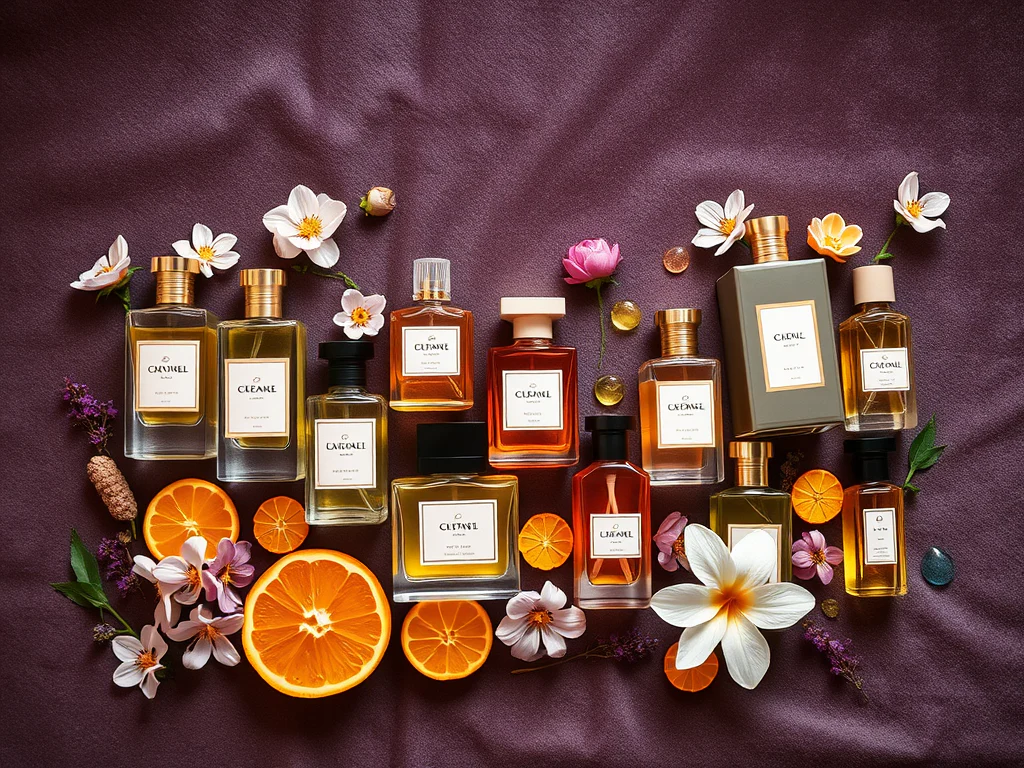
The world of romance is as complex as it is enchanting. While love songs and poetry have long extolled the virtues of beauty and eloquence, there’s an invisible force at play that often goes unnoticed: scent. In the intricate dance of human attraction, our sense of smell plays a pivotal role, shaping our perceptions and emotions in profound ways. This article delves into the psychology of scent and its impact on romance, revealing how aromas can unlock the doors to connection and intimacy.
The Science of Smell
Our sense of smell is one of the most ancient and powerful senses, rooted deeply in the brain’s limbic system, which is responsible for emotion and memory. This direct link explains why certain scents can trigger vivid memories or evoke strong emotional responses. Unlike other senses, olfactory information does not pass through the thalamus, the brain’s sensory relay station. Instead, it has a direct line to the brain’s emotional centers, allowing scents to influence our feelings almost instantaneously.
The olfactory system is incredibly sophisticated, capable of distinguishing thousands of different odor molecules. When these molecules bind to receptors in the nose, they send signals to the brain, where they are interpreted as specific scents. This process is not just about recognizing smells; it’s about the emotional and associative responses they elicit, which can be pivotal in romantic contexts.
The Role of Pheromones
Pheromones are chemical signals secreted by individuals that can influence the behavior and physiology of others of the same species. In the realm of human romance, pheromones have been the subject of extensive research and debate. While the exact role of pheromones in human attraction remains somewhat controversial, studies suggest that they may play a subtle but significant role in signaling sexual receptivity and compatibility.
For instance, research has shown that women tend to be more attracted to the scent of men whose immune system genes differ from their own, suggesting a biological mechanism aimed at promoting genetic diversity. This phenomenon is thought to be mediated by pheromones, highlighting their potential influence in mate selection and attraction.
The Influence of Fragrance
Beyond pheromones, personal fragrances such as perfumes and colognes can have a profound impact on romantic attraction. Fragrances are carefully crafted to evoke specific moods and emotions, and they can enhance one’s appeal and presence. A well-chosen fragrance can act as an extension of one’s personality, leaving a lasting impression on potential partners.
The psychological effects of fragrance are well-documented. Certain scents are known to evoke feelings of warmth and intimacy, while others may stimulate passion and excitement. For instance, vanilla is often associated with comfort and familiarity, while spicy and musky notes can be perceived as sensual and alluring. By consciously selecting fragrances, individuals can influence how they are perceived by others and create an aura of attraction.
Emotional Associations and Memory
The connection between scent and memory is a powerful one. Because the olfactory system is closely linked to the brain’s memory centers, scents can evoke vivid recollections of past experiences. This characteristic can be harnessed in romantic relationships to create and reinforce positive associations.
Imagine a couple who frequently visits a particular restaurant with a distinct aroma. Over time, that scent becomes intertwined with memories of their shared experiences, enhancing their emotional bond. Similarly, wearing a particular fragrance during special moments can create lasting memories, which may be recalled whenever that scent is encountered again.
Scent and Mood Enhancement
Scent can also play a significant role in mood enhancement, which is crucial in fostering romance. Aromatherapy, the practice of using essential oils and scents for therapeutic purposes, has long been recognized for its ability to influence mood and emotional well-being. Certain scents, such as lavender and rose, are known for their calming and soothing effects, making them ideal for creating a relaxed and intimate atmosphere.
On the other hand, invigorating scents like citrus and peppermint can energize and uplift, potentially increasing confidence and sociability—qualities that can enhance romantic interactions. By understanding the mood-enhancing properties of different scents, individuals can strategically use them to create environments conducive to romance.
Cultural and Personal Influences
While there are universal aspects of scent psychology, cultural and personal influences also play a significant role in how scents are perceived. Different cultures have distinct scent preferences and associations, shaped by historical and environmental factors. For example, while the scent of jasmine may be associated with romance in some cultures, it might have different connotations elsewhere.
Personal experiences and preferences further shape an individual’s response to scents. A person may have a strong emotional connection to a specific scent due to a meaningful past experience, influencing how they perceive and react to it in romantic contexts. Understanding these nuances can help individuals make thoughtful choices about the scents they incorporate into their romantic lives.
The Art of Scent Seduction
Scent seduction is an art that involves the strategic use of fragrances to captivate and allure. It requires an understanding of both the psychological effects of scents and the individual preferences of one’s partner. By selecting fragrances that resonate with both parties, couples can create a shared olfactory experience that enhances intimacy and connection.
One effective approach to scent seduction is layering, where complementary scents are combined to create a unique and captivating aroma. This can involve using scented lotions, body washes, and perfumes that harmonize to produce a multi-dimensional olfactory experience. Additionally, incorporating scents into the environment, such as through candles or diffusers, can create an immersive romantic atmosphere.
Conclusion: Embracing the Power of Scent in Romance
In the intricate tapestry of romance, scent weaves an invisible thread that binds emotions, memories, and attraction. By understanding the psychology of scent, individuals can unlock new dimensions of connection and intimacy in their relationships. Whether through the subtle influence of pheromones or the deliberate use of fragrances, scents have the power to enhance the romantic experience in profound ways.
As we navigate the complexities of love and attraction, let us not forget the invisible but potent influence of scent. By embracing the art and science of scent psychology, we can create deeper, more meaningful connections and unlock the full potential of romance.





Post Comment